THE XSR STORY
For years, I wanted to own a 2016–2021 Yamaha XSR900, but somehow I always ended up skipping the purchase. There was always another bike, another project, another terrible financial decision waiting in line before it.
Well, in April 2026, I went on a pretty long trip with one of my friends — around 2,200 km within a week.
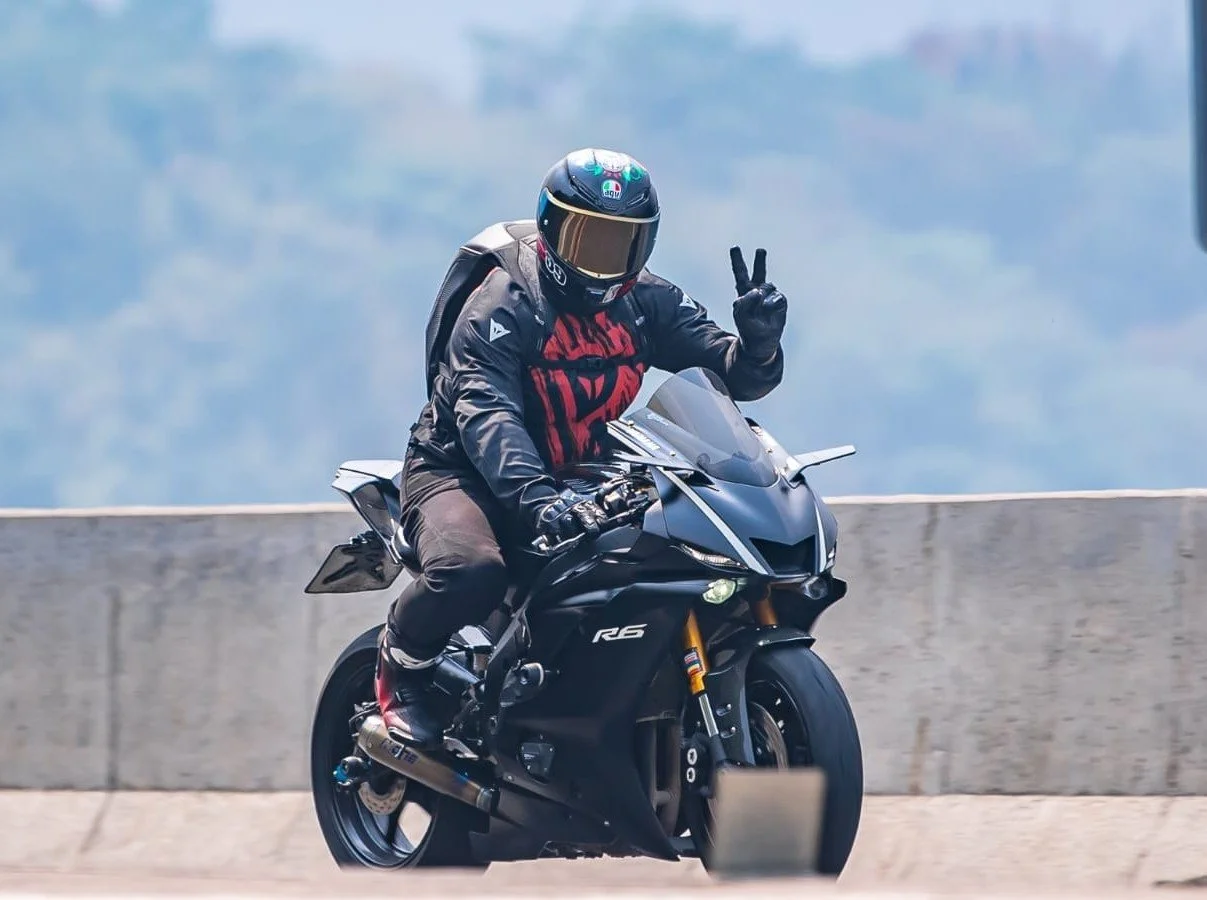
For the trip, I chose my 2018 Yamaha R6 since I’m very comfortable on it, and honestly, I absolutely love its performance on twisty roads. The bike is modified for track use, which basically means it constantly encourages irresponsible behaviour while pretending to be “sporty.”
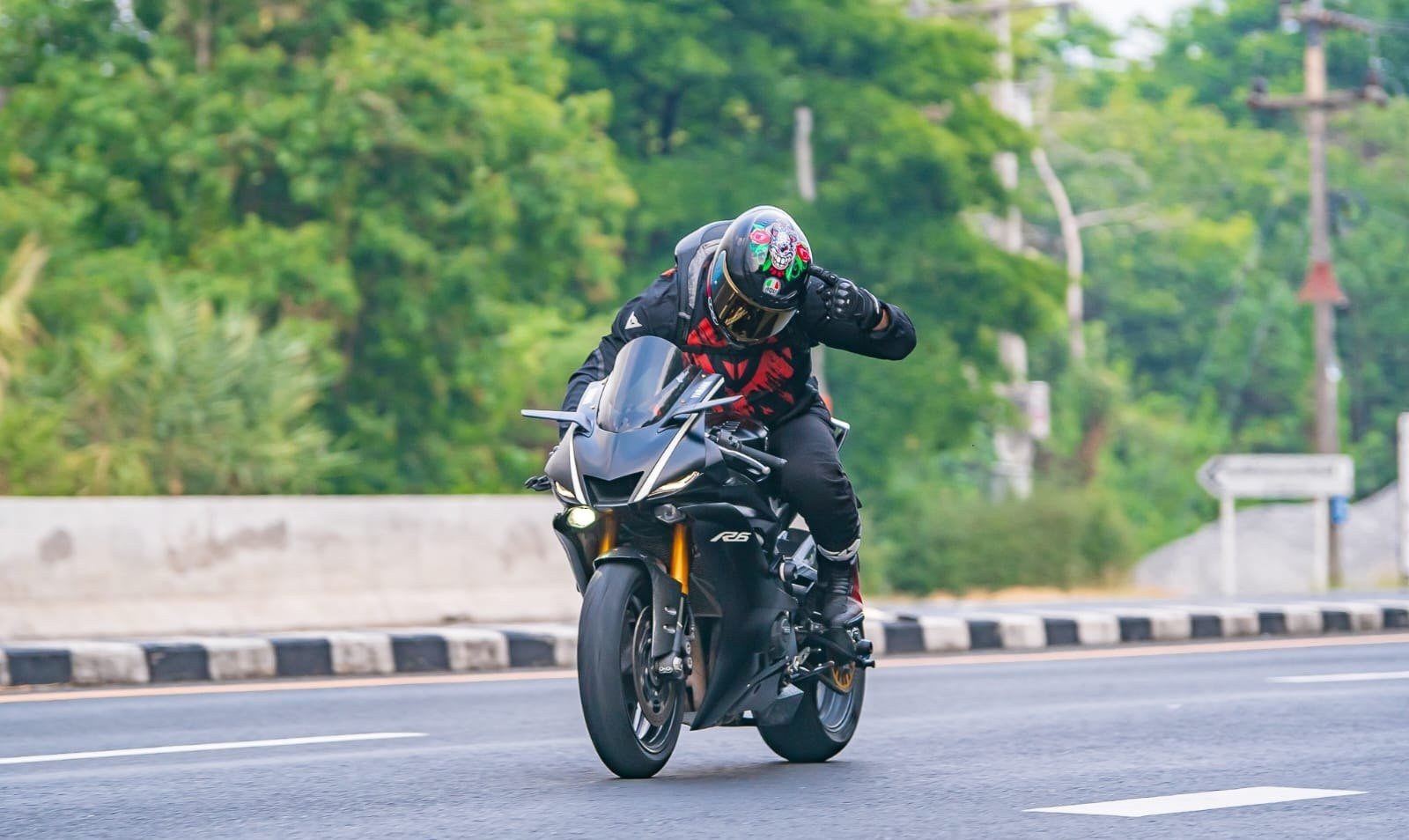
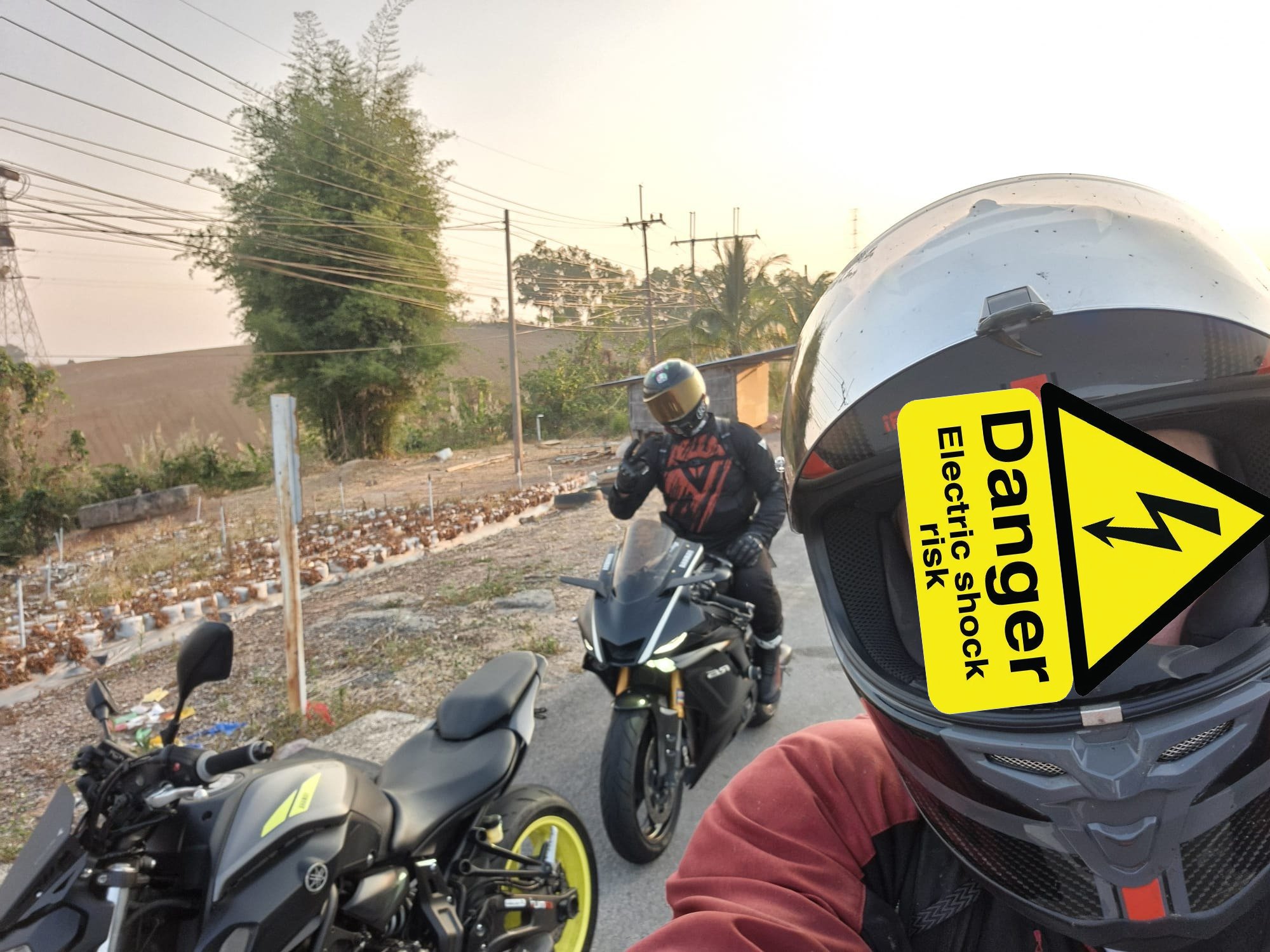
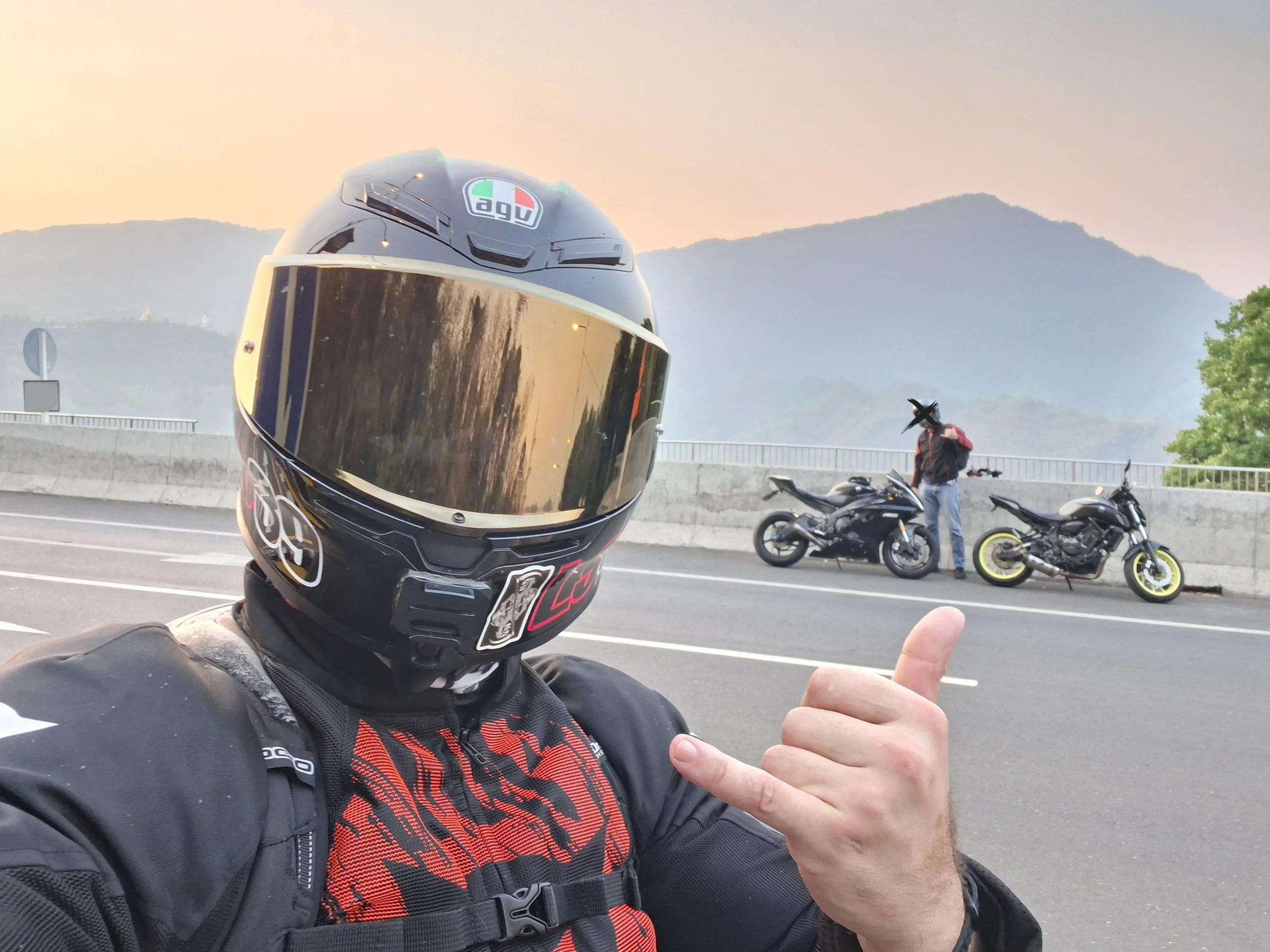
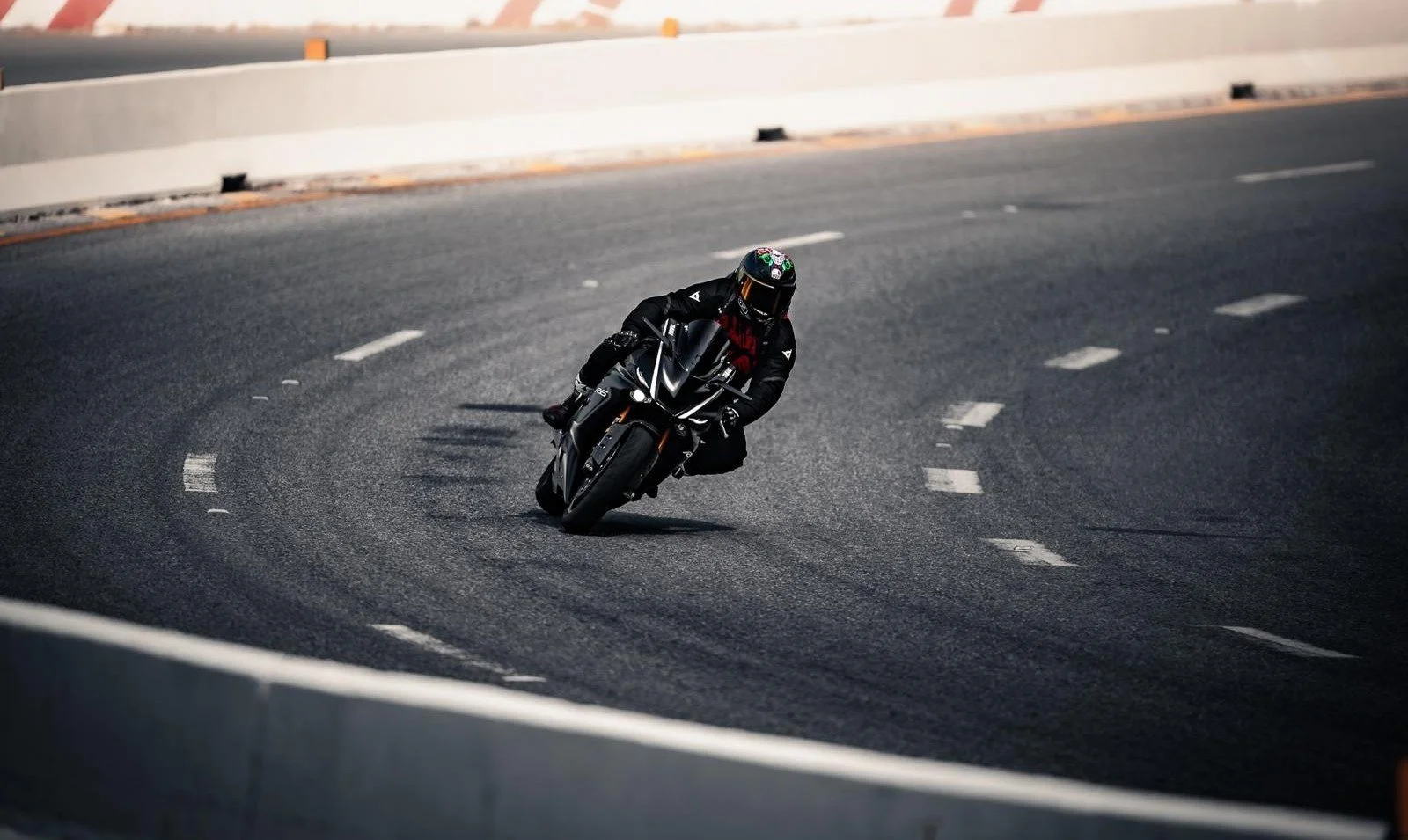
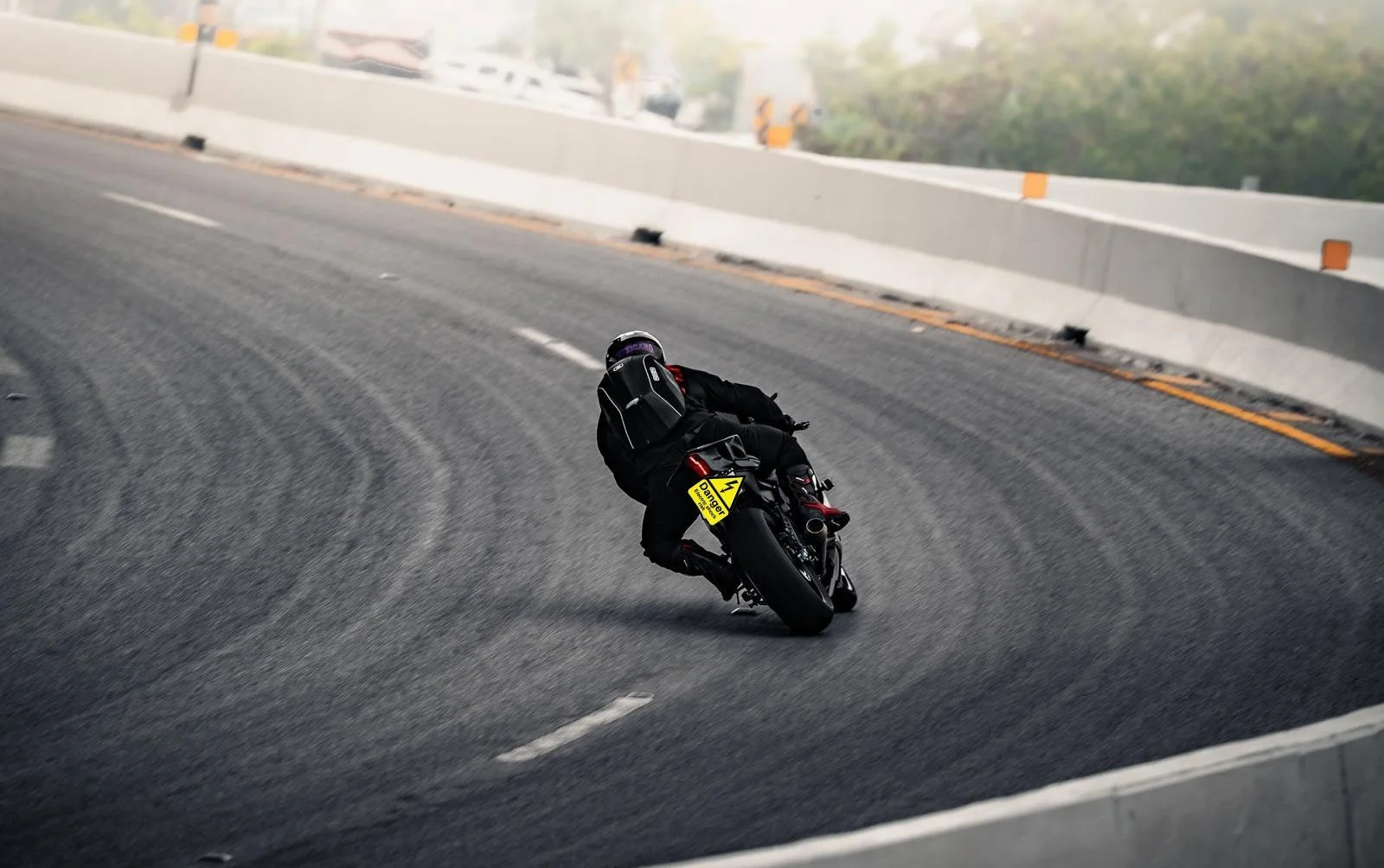
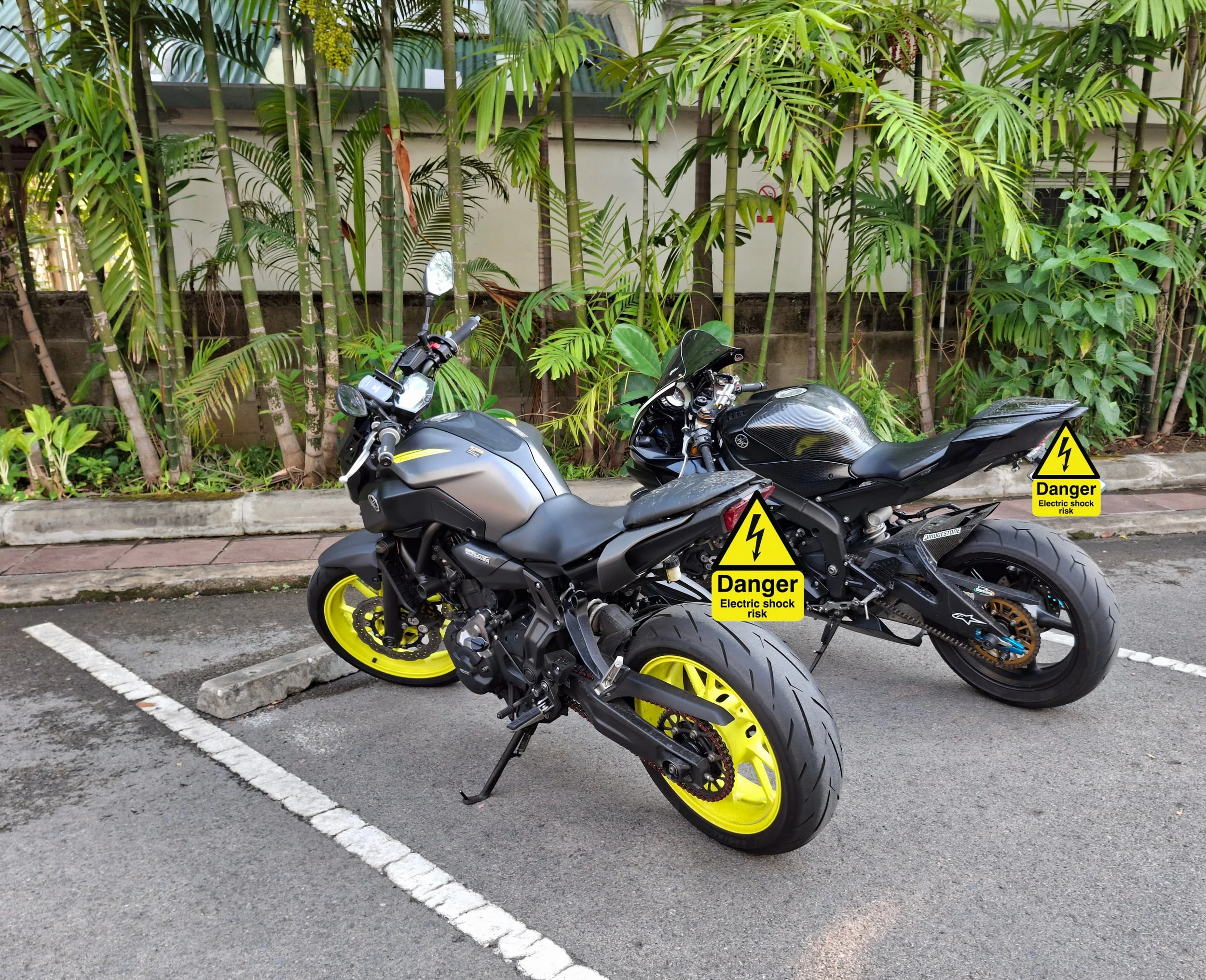
During the last days of the trip, though, I started feeling something strange. The bike had less power, weird vibrations.. After a quick inspection, I realized the sprocket and chain were completely destroyed.
Perfect timing, obviously.
I immediately went to a Yamaha service center, where they informed me that receiving the new parts would take around two weeks because they had to be specially ordered.
Two weeks?
At that moment, I was emotionally ready to order a horse instead.
Since the bike was already running a modified gearing setup with a 15T front and 48T rear sprocket, I decided to search for a motorcycle tuning shop instead.
Luckily, I found one where they told me they could get the parts within a week. I agreed, but since I still wanted to continue the trip, an idea suddenly appeared in my mind:
“What if I just buy an XSR900 instead?”
I opened the marketplace and found a 2016 XSR900 at a motorcycle dealership located only 3.5 km away from where I was standing at that exact moment.
Within 10 minutes, I was standing next to the bike I had just found online.
The motorcycle was completely stock with zero modifications. The odometer showed close to 20,000 km. Whether that mileage was real or not, honestly, I have no idea — but the overall condition of the bike looked surprisingly good.
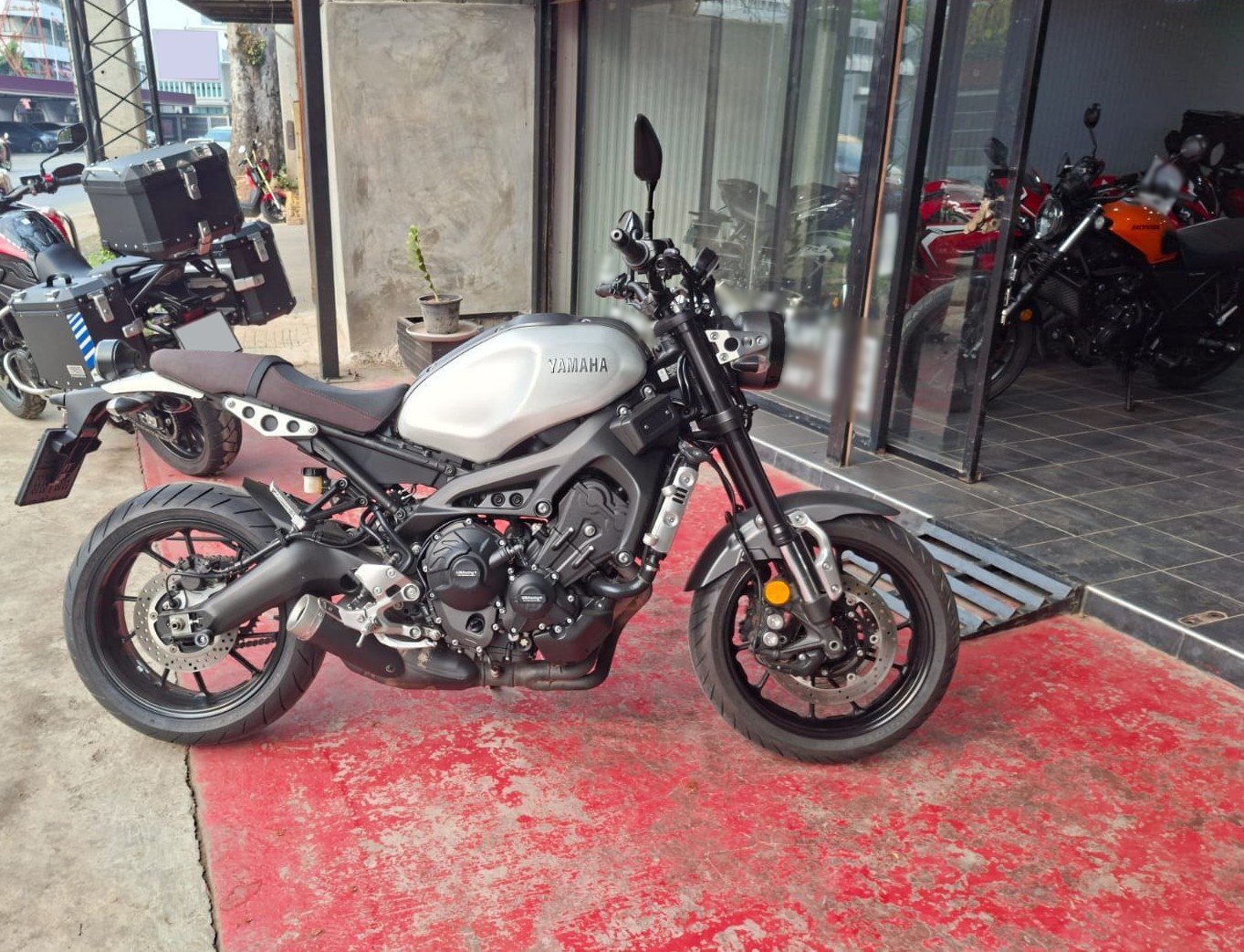
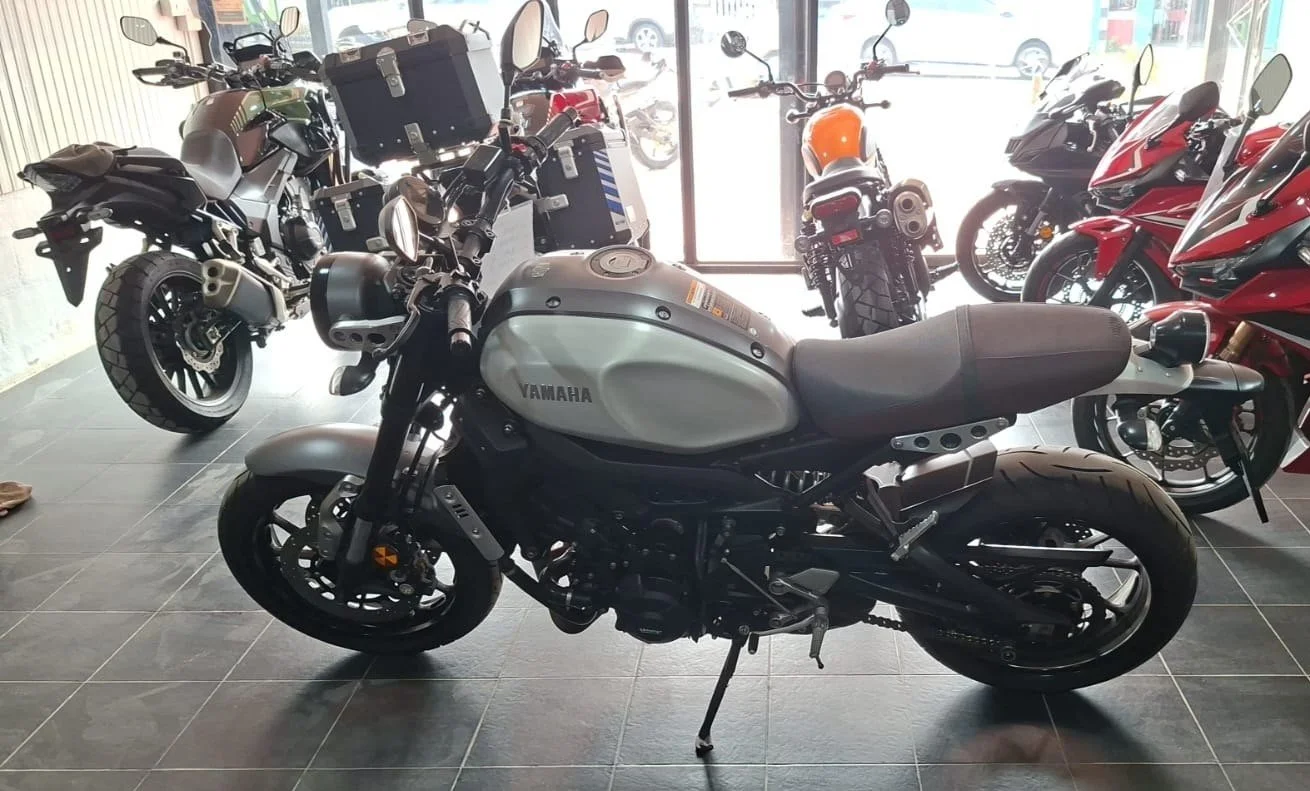
I took it for a test ride and instantly loved it.
It felt completely different from my R6. The riding position was comfortable, the low- end torque was addictive, and every time I accelerated, the front wheel seemed personally offended by the concept of staying on the ground.
I returned from the test ride, looked at the owner, and simply said:
“I’ll take it.”
Within a day, the motorcycle was mine, and by the next morning, I was already back on the road continuing the trip.
After another 950 km, I finally arrived home… where the motorcycle almost immediately ended up completely disassembled in my garage.
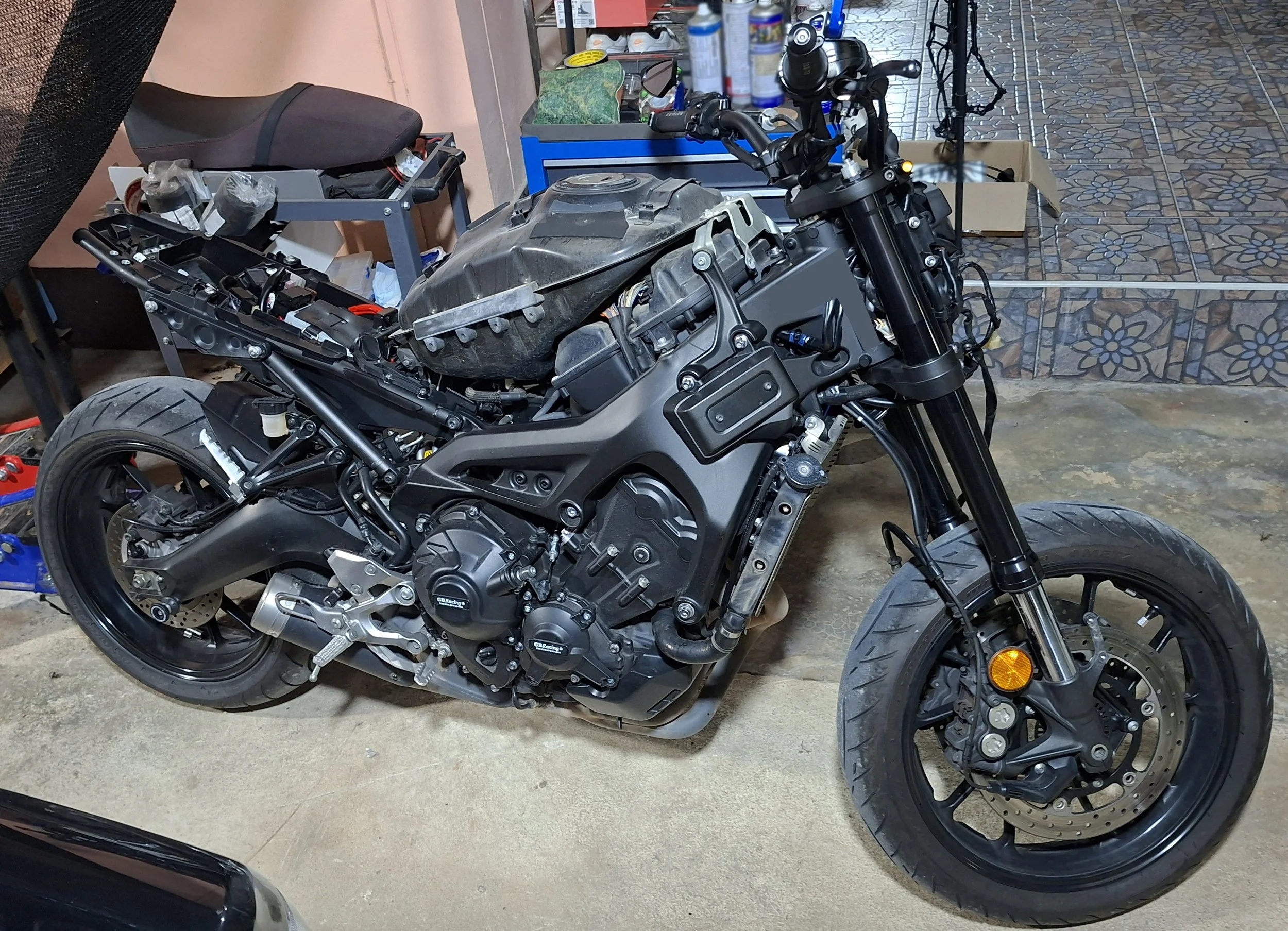
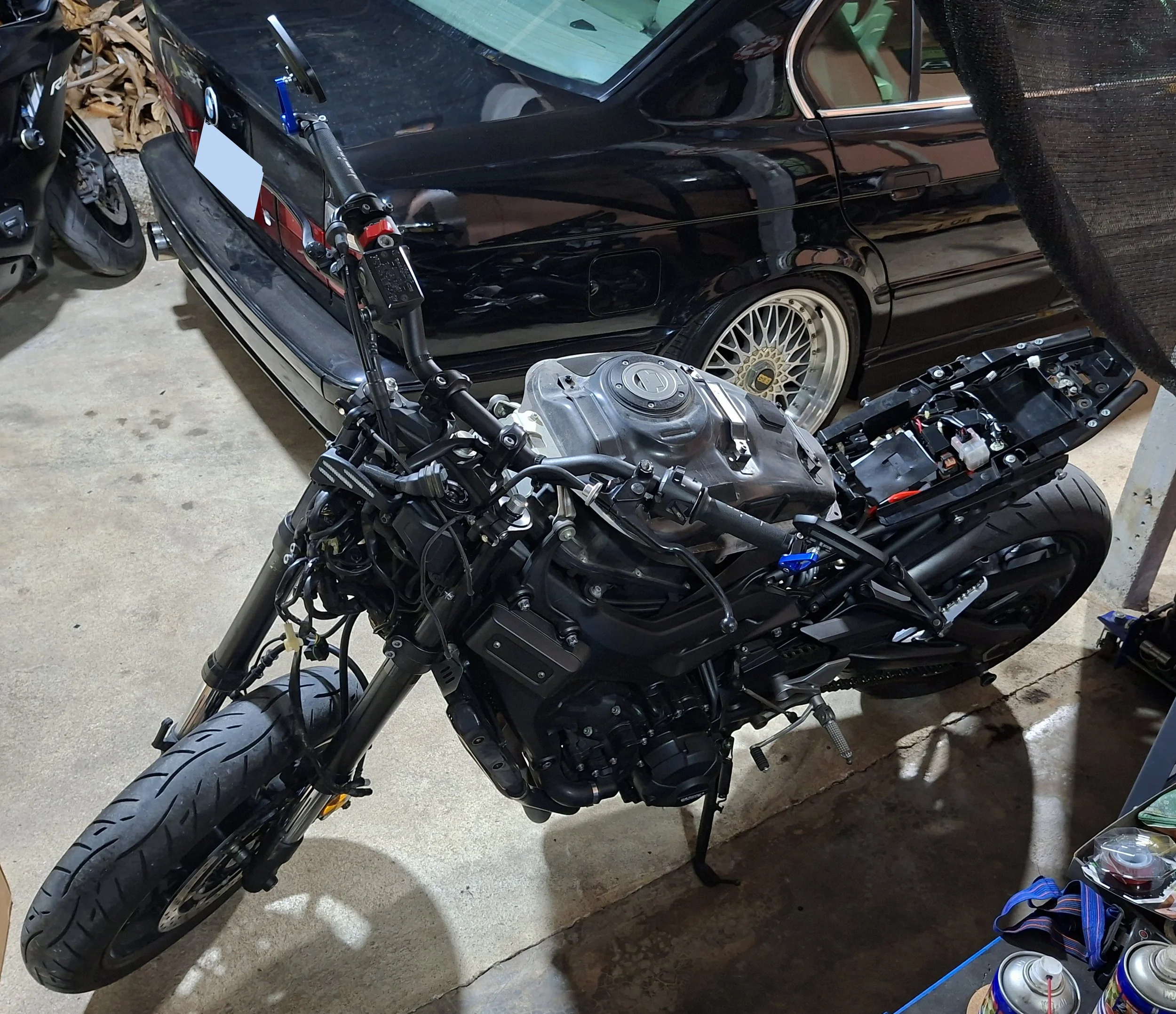
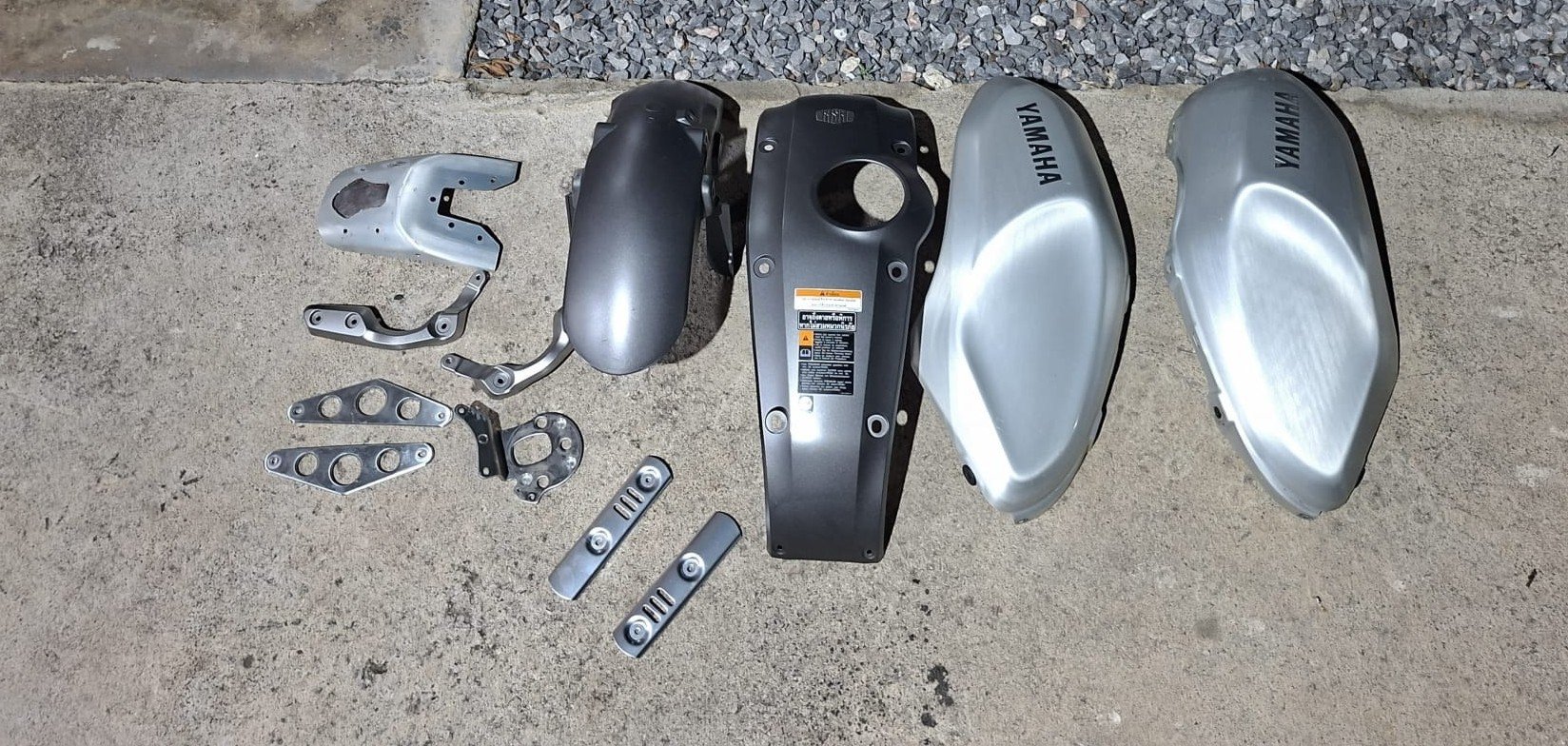
Honestly, that was the entire reason I wanted an XSR900 in the first place.
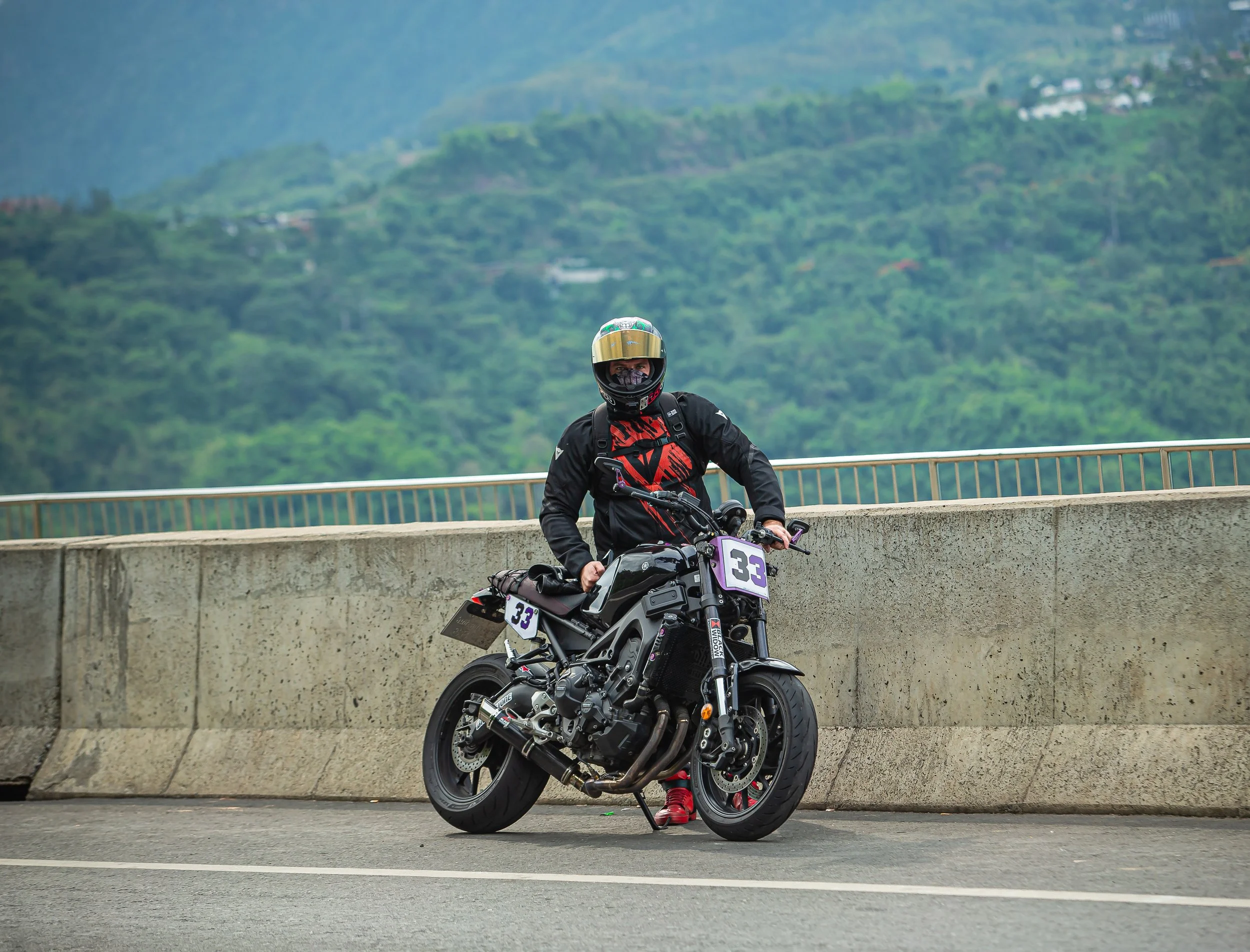
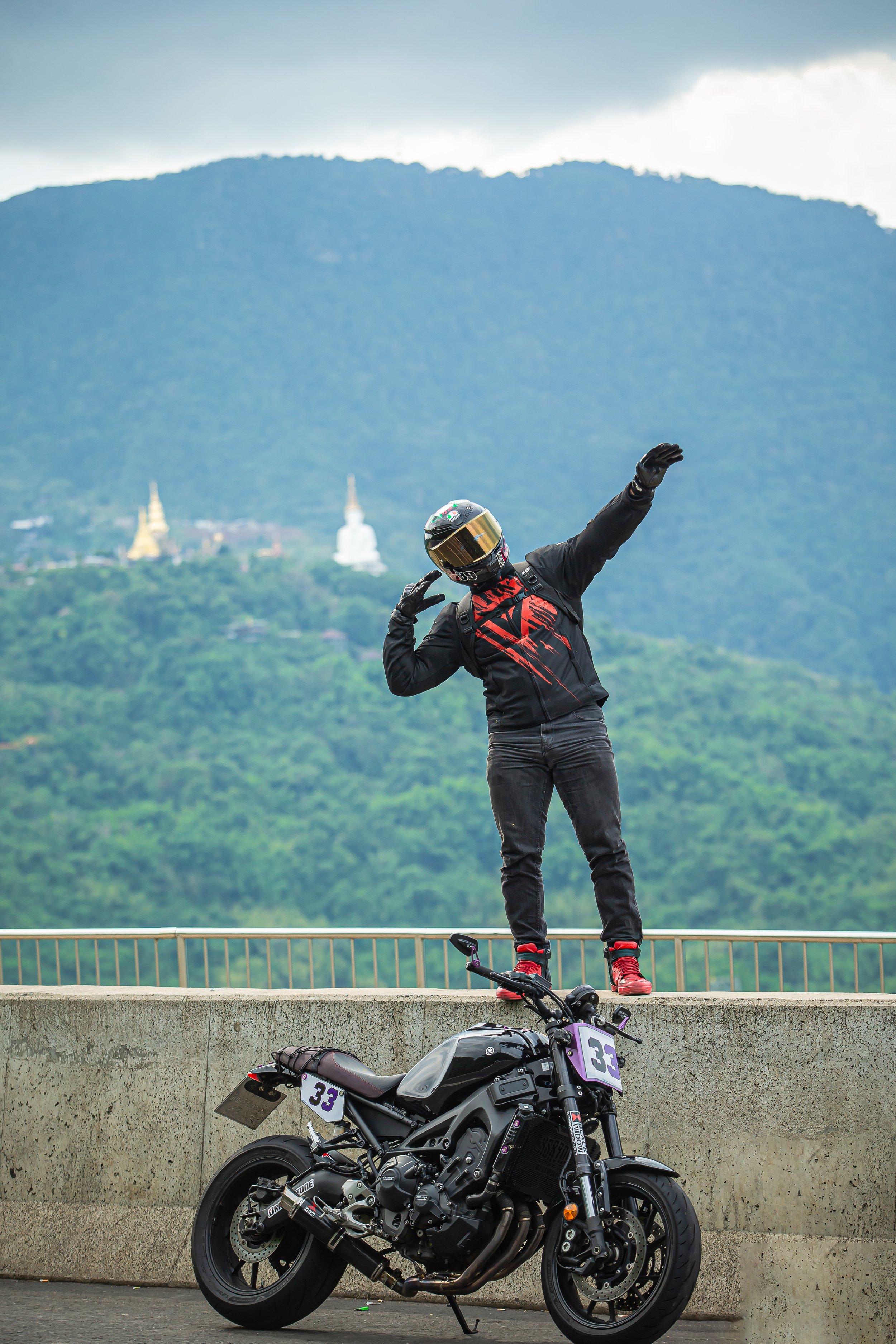
The bike has massive potential for a café racer/tracker build, and from the very first moment I saw it, I already had a complete vision in my head of how I wanted it to look.
I genuinely think the timing was perfect and that destiny somehow led me to this motorcycle, because I had been dreaming about owning one for years.
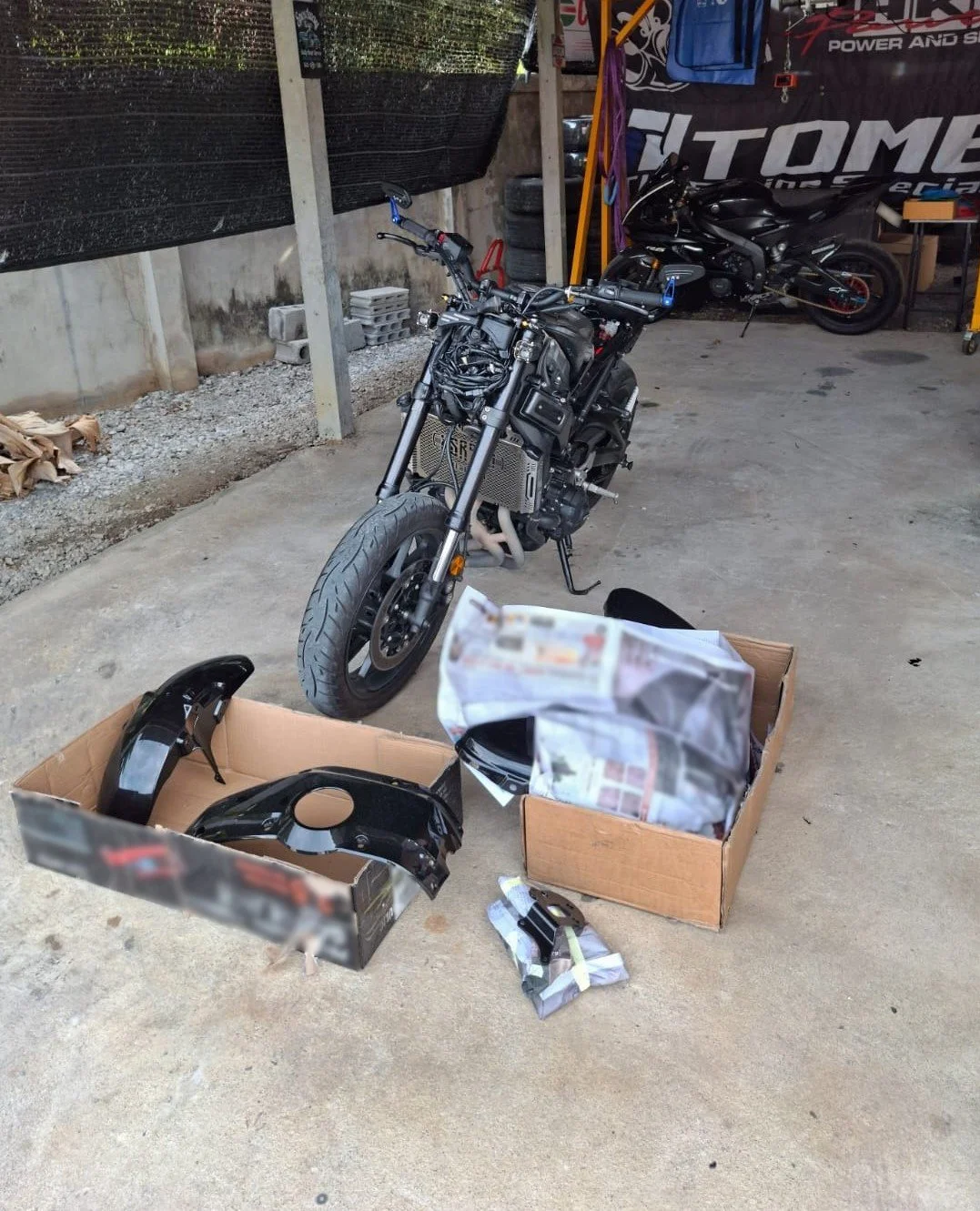
Since I wanted to finish the project within a shorter timeframe, I handed the main parts over to a nearby paint shop. Mainly because I absolutely hate painting. Especially when filler, sanding, more sanding, and “just one final sanding” are involved.
While the paint shop handled the major parts, I focused on the electronics and design details.
A few days later, I picked up the freshly painted parts. Of course, during that time, I still ended up painting smaller components myself — radiator covers, mirrors, front panels, side panels…
More than enough painting for one lifetime, if you ask me.
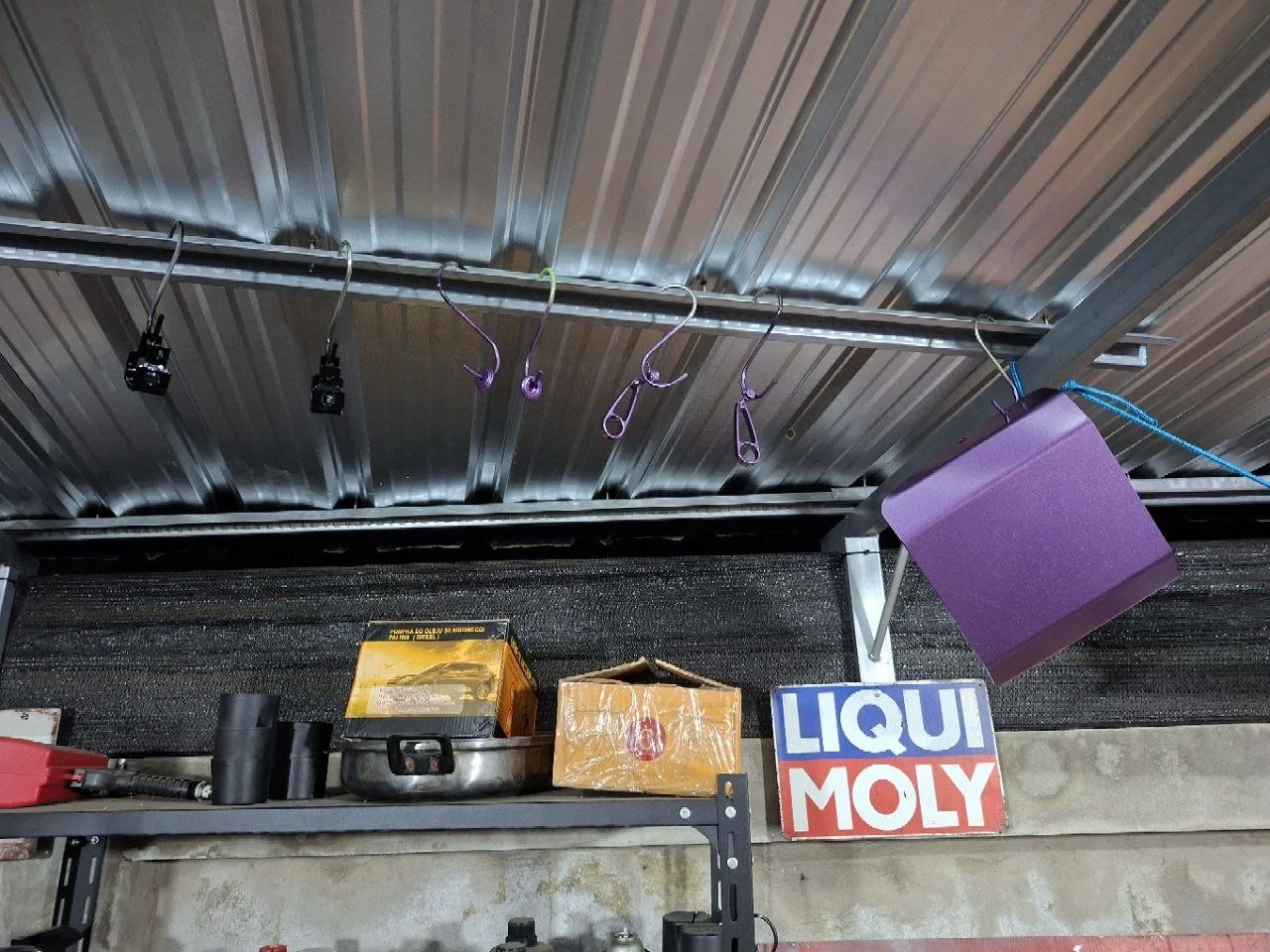
While digging through my storage, I found two LED lights that immediately looked perfect for the front end. For the rear, I found a really nice taillight with an integrated license plate holder on eBay.
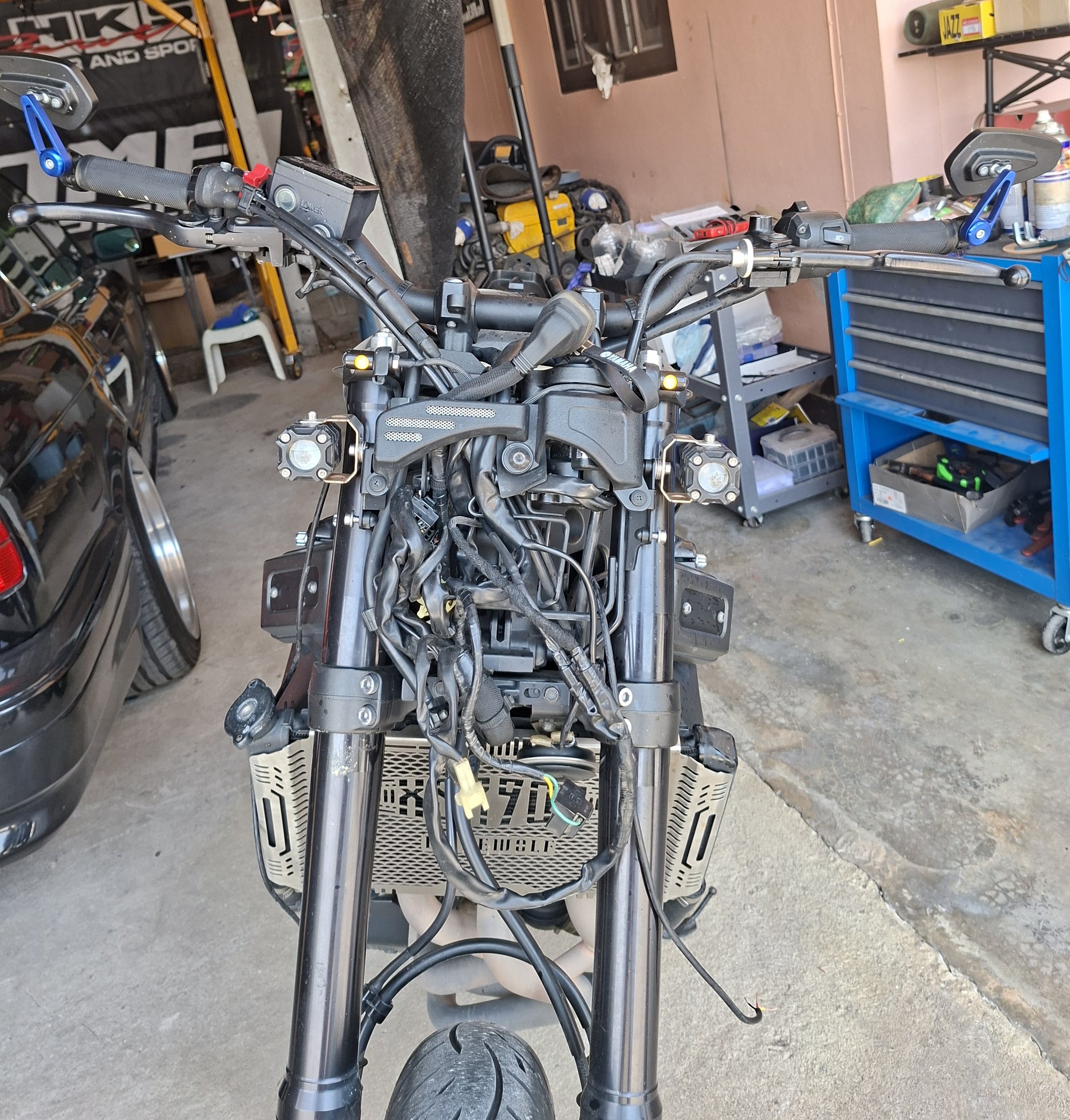
The front and rear indicators also came from eBay. Funny enough, these tiny turn signals are now installed on my Kawasaki GTO, my Yamaha R6, and now the XSR900 as well.
At this point, I should probably contact the manufacturer and ask for sponsorship.
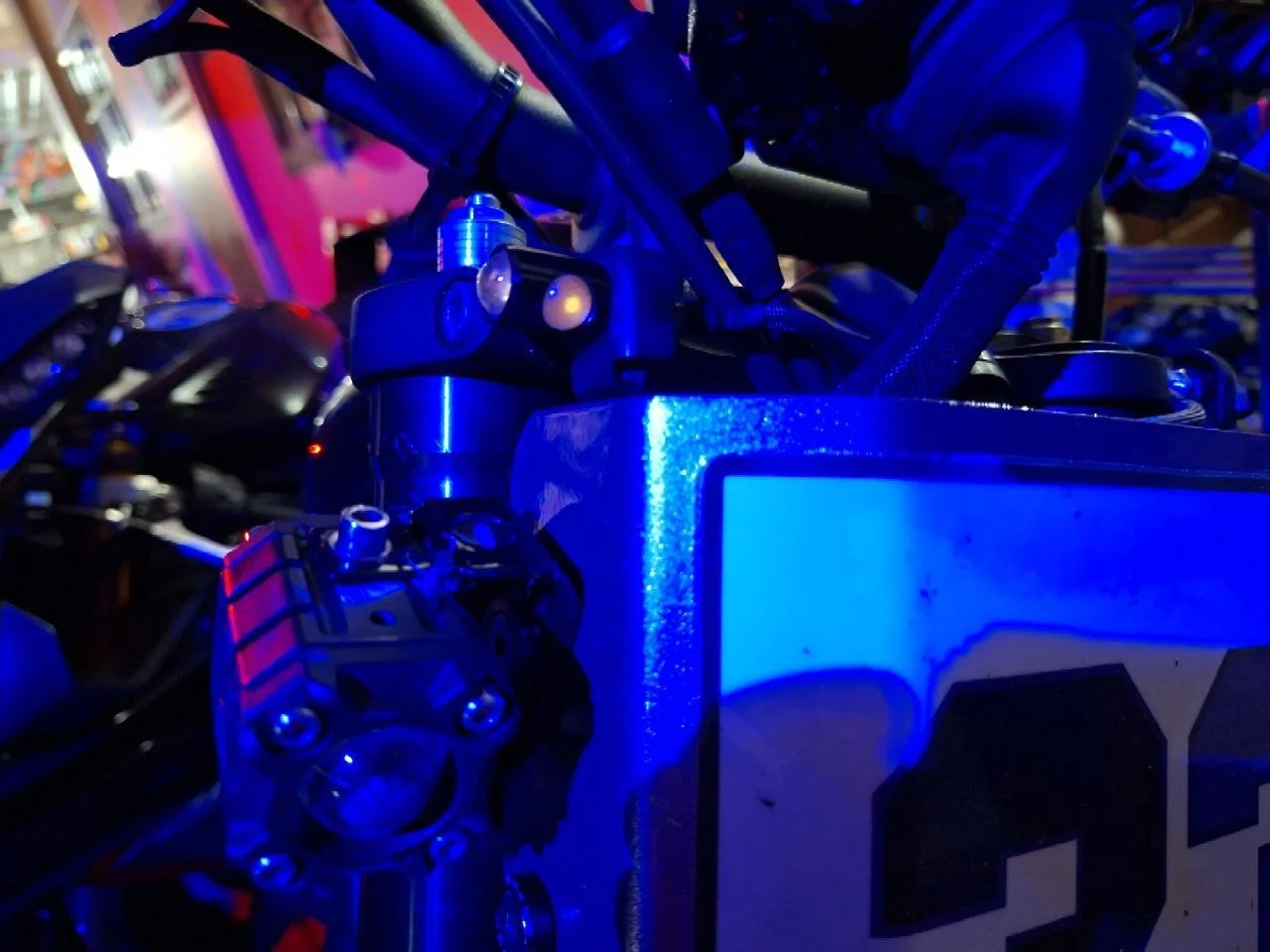
Little by little, the motorcycle started coming together, but one major thing was still missing: a complete exhaust system.
I spent quite a while searching until a UK- based brand suddenly appeared: Black Widow.

I clicked on the website and quickly found a system specifically made for the XSR900. After doing some research, I found loads of positive reviews and videos about both the products and customer service, so I decided to order a full system.
Communication with them was easy, and within a couple of days, the order had already been shipped internationally. Luckily, the paperwork was handled perfectly, so customs didn’t become the side quest from hell I expected it to be.
While waiting for the package, Black Widow kept me updated by email and also sent installation instructions and safety information.
A few weeks later, the package finally arrived.
The moment UPS sent the delivery notification, I immediately changed into workshop clothes, grabbed my tools, and removed the original exhaust system.
That was also the exact moment I realized how unbelievably heavy the stock exhaust actually was.
Seriously, I might keep it around as gym equipment for days when I’m too lazy to work out properly.
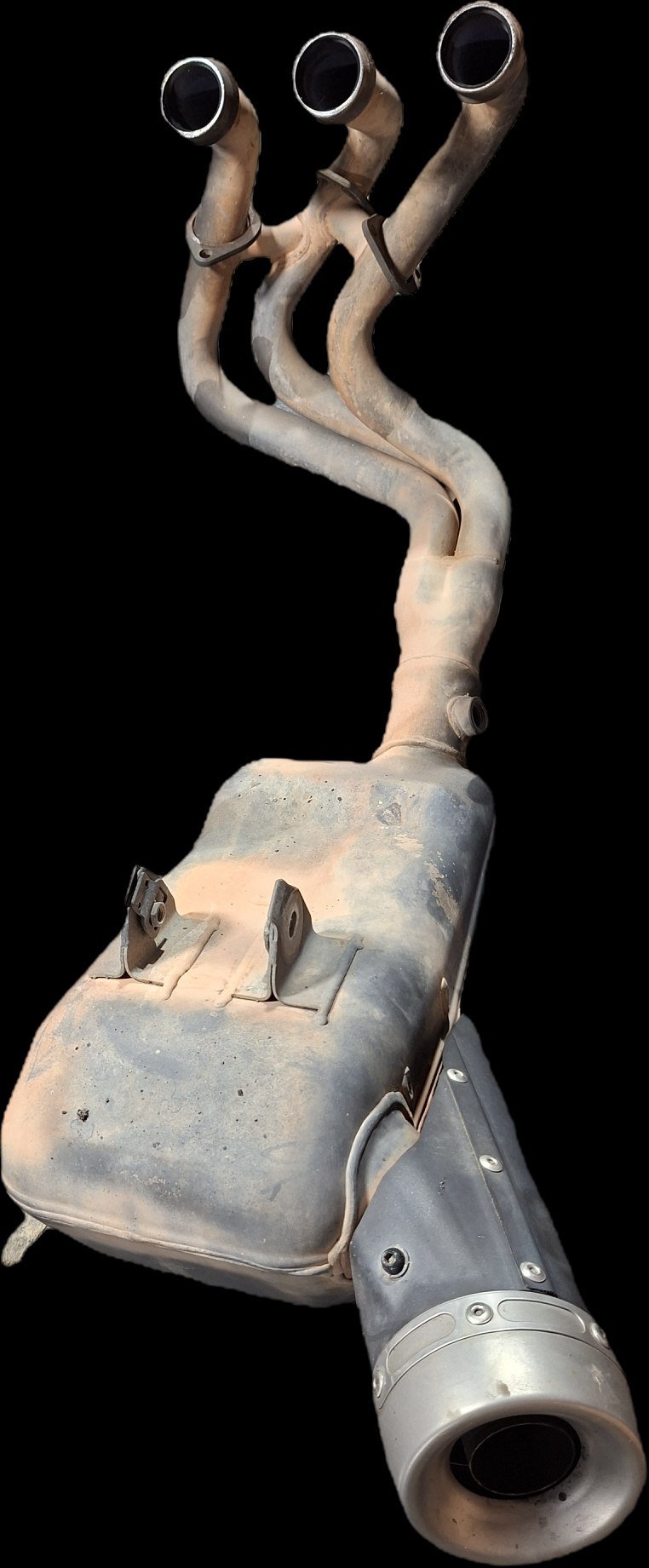
The delivery finally arrived, and I practically sprinted to the gate like a child on Christmas morning.
I grabbed a knife and opened the box.
The packaging looked fantastic, everything was carefully wrapped, every component had custom branding, even the protective wrapping itself had logos on it.
At that moment, I fully understood where all the good reviews were coming from.
And yes… here comes my classic mistake.
At moments like this, I never think ahead. I get too excited, throw on work clothes, grab a wrench, and immediately start working instead of taking cool before- and- after photos like a normal person.
Then later, of course, I sit there thinking:
“Fantastic… now I have absolutely zero photos of the process again.”
Honestly, this probably will never change.
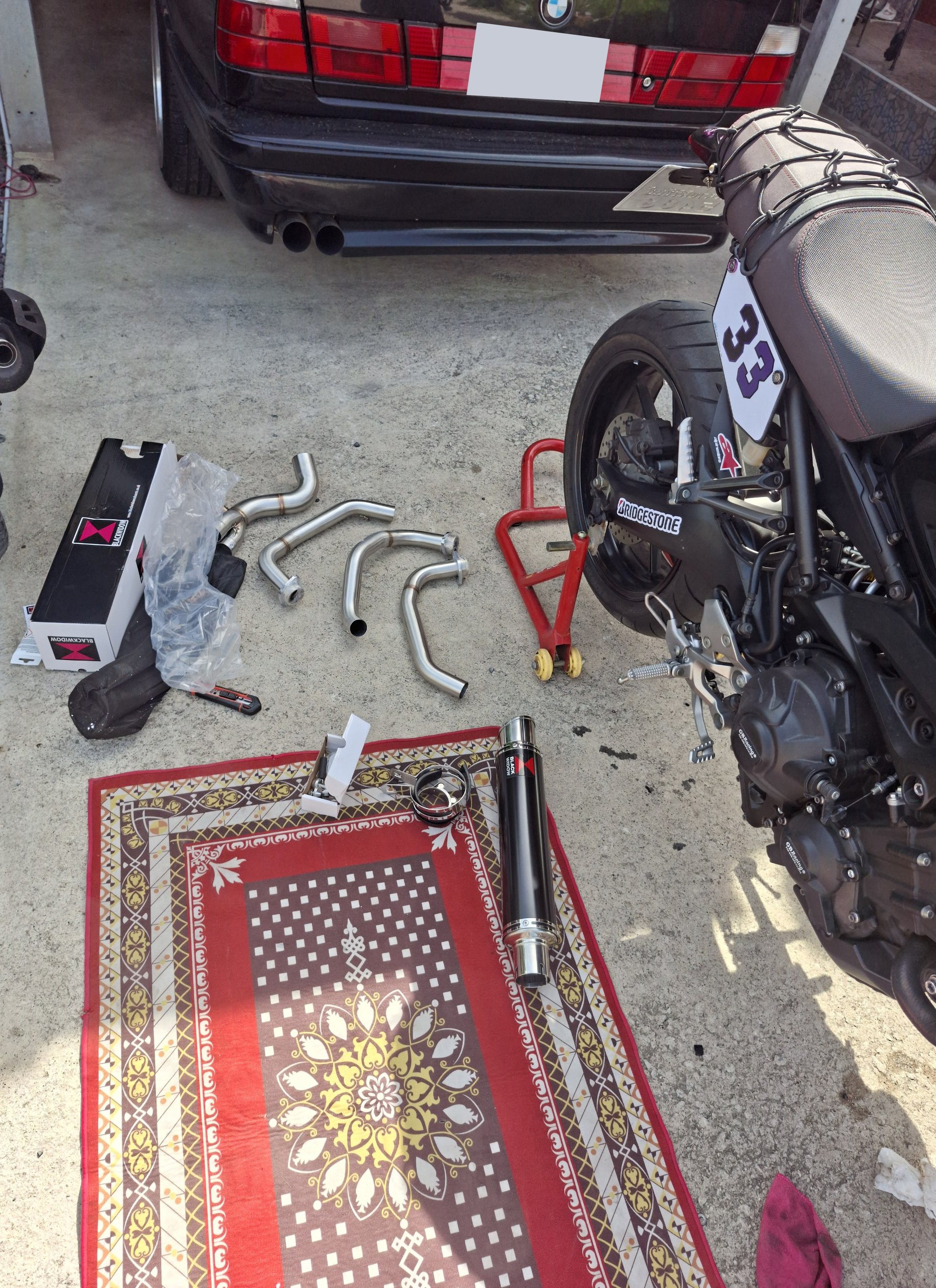
So anyway, I started mounting the header pipes.
Since the XSR has a 3- cylinder engine, there were three separate headers in the box, each clearly labelled 1, 2, and 3- which sounds extremely simple and idiot- proof.
Apparently not idiot- proof enough for me.
I mounted all three pipes onto the cylinder head, stepped back proudly to admire my work… and immediately realized I had swapped the first and third pipes.
Professional mechanic moment.
After a couple of extra minutes and a small argument with myself, everything was finally mounted correctly.
Then came the rest of the exhaust system, and eventually, the full setup was complete.
Finally, it was time for the first startup.
Now, before even turning the key, I already knew one thing with absolute certainty:
The DB killer was not going to stay installed for very long.
Still, I wanted to hear how it sounded first with the DB killer in place.
I started the engine.
Instantly, the bike produced this deep, aggressive, absolutely addictive sound.
At that moment, I thought:
“If it already sounds this insane with the DB killer installed, removing it might actually become a public safety issue.”
Naturally, I removed it immediately.
The moment I revved the bike above 10,000 RPM, my ears started ringing, vibrating, and probably communicating with satellites.
Right there and then, I realized two things:
First- the DB killer was absolutely never going back into the exhaust.
Second- with enough motivation, I could probably throw that tiny metal insert far enough to break a new world record in shot put.
At that point, I was so motivated to put the bike on a stand and do a proper professional photoshoot.
You know, clean background, perfect lighting, dramatic angles, all the things that motorcycle builders are supposed to do after finishing a project.
Instead, the exact opposite happened.
The moment I was done, I took the bike to a tire shop, fitted a new front and an oversized 190- section Bridgestone Battlax S23 rear tire, and then immediately disappeared on another trip that ended up being close to 1,000 km long.
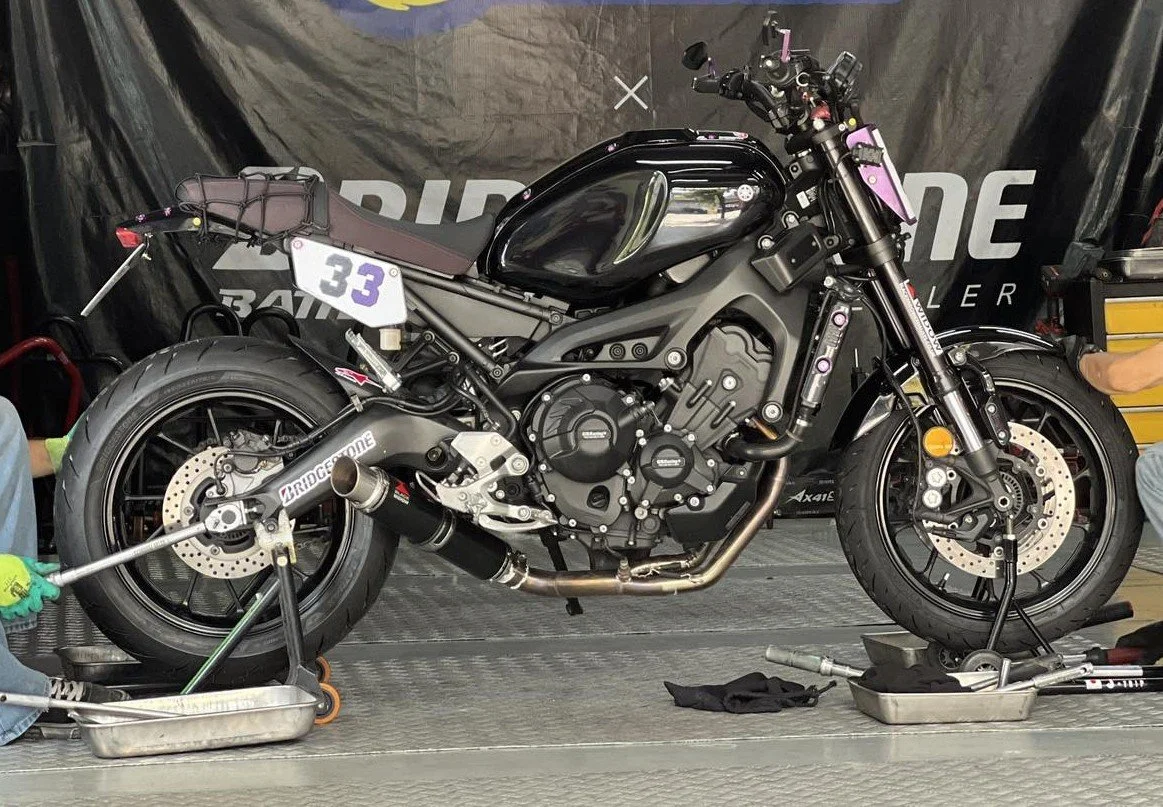
Because apparently my brain works like this:
"Spend weeks building motorcycle."
"Finish motorcycle."
"Take nice photos?"
"No. Ride motorcycle."
To be fair, I think that's exactly what this bike was built for.
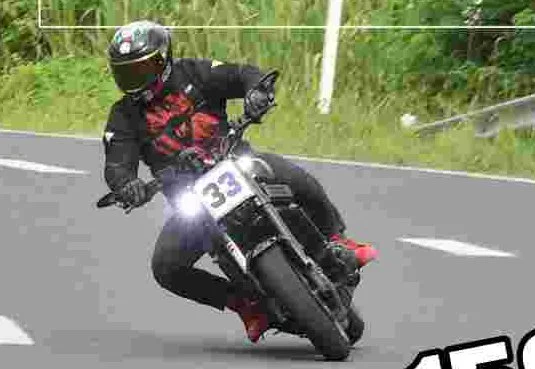
The XSR900 isn't the kind of motorcycle that likes standing still in front of a camera. It prefers mountain roads, random detours, completely unnecessary wheelies, the occasional tank slapper thanks to the lack of a steering damper, fuel stations in the middle of nowhere every 100 kilometers, and somehow convincing you to take the long way home every single time.